

Summary: In the UAE, expat residents can borrow up to 80% of a property’s value under CBUAE rules, with a minimum 20% deposit on homes priced below AED 5 million. Non-residents are capped at 65% LTV. Total upfront costs typically reach 6–7% of the purchase price, covering DLD fees, mortgage registration, valuation, and agent commission. This guide covers eligibility by buyer type, down payments, current rates, full fee breakdowns, and the step-by-step purchase process for 2026.
Dubai recorded AED 252 billion in real estate transactions in Q1 2026 alone — a 31% year-on-year increase across 60,303 individual deals, according to the Dubai Land Department’s Q1 2026 release. More buyers than ever are entering the market. And more buyers than ever are walking in with the wrong numbers in their heads.
Most people know a deposit is required. Few know that the real cash needed at closing is significantly higher than the deposit alone. Most people know rates exist. Few understand how EIBOR moves those rates every month. And almost everyone, at some point, assumes their situation is straightforward — until a bank tells them otherwise.
This UAE mortgage guide for 2026 is built for property buyers at the decision stage: expat residents, UAE nationals, non-resident investors, first-time buyers, and self-employed professionals. It covers how much you can borrow, exactly what you’ll pay upfront, which mortgage type fits your profile, and how the process works from pre-approval through to DLD registration.

How Much Can You Borrow on a UAE Mortgage?
Expat residents can borrow up to 80% of a property’s value on homes under AED 5M under CBUAE regulations. UAE nationals qualify for up to 85%. Non-residents are capped at 65%, regardless of property value.
These are the Loan-to-Value (LTV) limits set by the Central Bank UAE under its Mortgage Loan Regulations. Every licensed UAE bank must apply them. No lender can legally offer you a higher LTV than these caps, no matter how strong your income.
Here’s how that breaks down by buyer type:
| Buyer Type | Max LTV (Under AED 5M) | Max LTV (Over AED 5M) | Min Deposit |
| UAE Nationals | 85% | 75% | 15% |
| Expat Residents | 80% | 65% | 20% |
| Non-Residents | 65% | 65% | 35% |
Example on a AED 1.5M property:
- Expat resident borrows up to AED 1,200,000. Deposit: AED 300,000.
- UAE national borrows up to AED 1,275,000. Deposit: AED 225,000.
- Non-resident borrows up to AED 975,000. Deposit: AED 525,000.
For off-plan properties, the LTV picture changes. Most banks cap financing at 50% of the purchase price during the construction phase, with some lenders declining off-plan entirely. Confirm your bank’s off-plan policy before signing any SPA.
There’s a second limit that matters as much as LTV: the Debt Burden Ratio (DBR). The CBUAE caps total monthly debt repayments at 50% of gross monthly income for expatriates and 60% for UAE nationals. This includes your new mortgage, any car loans, credit card minimums, and personal loans. If your existing debts are high, your borrowing power drops fast, even if you earn well.
What Is the Minimum Down Payment for Expats Buying Property in Dubai?
Expat residents need a minimum 20% deposit on properties priced below AED 5 million, per CBUAE Circular 31/2013. UAE nationals qualify from 15%. Non-residents must put down at least 35% of the purchase price.
These are regulatory floors, not bank preferences. No negotiation, no exceptions.
Let’s make it real with two property examples:
| Property Price | Expat Deposit (20%) | UAE National (15%) | Non-Resident (35%) |
| AED 1,200,000 | AED 240,000 | AED 180,000 | AED 420,000 |
| AED 2,500,000 | AED 500,000 | AED 375,000 | AED 875,000 |
What most first-time buyers get wrong is stopping the calculation here. The deposit is not the full upfront budget. The costs layered on top of it are where buyers most often get caught short. We cover those in full in the next section.
One more thing worth flagging: if the property is priced above AED 5 million, expat LTV drops from 80% to 65%, meaning the deposit jumps to 35%. The threshold applies to the purchase price, not the loan amount.
What Are the Total Upfront Costs When Buying Property in Dubai?
Beyond the deposit, buyers typically pay 4% DLD transfer fee, 0.25% mortgage registration fee, approximately AED 2,500–3,500 for valuation, ~1% bank processing fee, and ~2% agent commission — bringing total upfront costs to 6–7% of the purchase price.
This is the number most articles don’t show clearly. Here it is in full, using a AED 1,500,000 property as the example:
| Cost | Rate | AED Amount |
| Down payment (expat, 20%) | 20% of AED 1.5M | AED 300,000 |
| DLD transfer fee | 4% of purchase price | AED 60,000 |
| Mortgage registration fee | 0.25% of loan amount | AED 3,000 |
| Property valuation | Fixed | AED 2,500–3,500 |
| Bank processing fee | ~1% of loan | AED 12,000 |
| Agent commission | ~2% of purchase price | AED 30,000 |
| Total cash required | ~AED 408,000–409,000 |
For a property valued at AED 1.5M, an expat resident needs approximately AED 408,000 in cash before receiving the keys — not AED 300,000. Budget the full amount from day one.
The DLD transfer fee of 4% is confirmed on the Dubai Land Department’s official fee schedule. It is not negotiable. It cannot be rolled into your mortgage. It is paid at the point of transfer.
The mortgage registration fee of 0.25% of the loan value is charged by DLD on all mortgaged properties and is confirmed in the DLD’s mortgage grant service documentation. The DLD states a service time of 6 business days for the sale registration linked to an initial mortgage.
How Much Mortgage Can You Get in the UAE?
Select your buyer type, enter a property price, and see your real numbers instantly — including total cash needed at closing.
Fixed Rate vs Variable Rate vs Islamic Finance: Which UAE Mortgage Suits You?
Not all UAE mortgage products work the same way. Understanding the structure matters as much as the headline rate.
Fixed-rate mortgages lock your interest rate for an agreed period — typically 1, 2, 3, or 5 years — then revert to a variable rate linked to EIBOR. Based on current lender pricing, introductory fixed rates start from approximately 3.89% for a 2-year fixed term, with longer fixed periods ranging from around 4.11% to 4.42%. These figures reflect current market snapshots; confirm live pricing with your broker before committing.
Variable-rate mortgages are priced as EIBOR plus a bank margin. The benchmark currently sits at:
- 1-month EIBOR: ~3.64%
- 3-month EIBOR: ~3.69–3.71%
- 6-month EIBOR: ~3.63–3.80%
(Source: FCMB.ae EIBOR rate page — verify at publication date as EIBOR updates monthly.)
EIBOR is not fixed. It moves with global and regional rate cycles. Buyers who stretched their DBR on a variable rate during a low-rate period have felt that move. If predictability matters to your monthly budget, a fixed term gives you breathing room, even if the headline rate starts slightly higher.
Islamic mortgages use two main structures in the UAE: Murabaha (bank buys the asset and sells it to you at a profit margin, paid in installments) and Ijara (a lease-to-own arrangement). Neither structure charges interest in the conventional sense, but the total cost of finance is comparable to conventional products.
The idea that Islamic finance is always more expensive is a myth. The smarter question is: which structure delivers the lowest total cost of ownership over your holding period?
Who each product suits:
- Fixed rate: buyers who need certainty, especially those stretching their DBR
- Variable rate: buyers who plan to sell or refinance within 3 years
- Islamic: buyers who prefer Sharia-compliant finance or whose employer/situation creates a tax or structure preference
Lenders offering conventional products include Emirates NBD, ADCB, FAB, Mashreq, HSBC UAE, Standard Chartered, and RAKBank. Islamic products are offered by DIB, ADIB, Emirates Islamic, and Sharjah Islamic Bank, among others. As an independent broker, CityMortgage compares products across 25+ lenders simultaneously, with no bank bias.
Can Non-Residents Get a UAE Mortgage?
Yes. Non-residents can obtain UAE mortgages, but face tighter terms: a maximum LTV of 65%, a minimum deposit of 35%, and a narrower selection of lenders compared to UAE residents.
This is one of the most common misconceptions we hear. Non-resident financing is real, available, and regularly processed — but it requires the right lender and the right documentation approach.
The practical differences for non-residents:
- LTV cap: 65% regardless of property value or nationality
- Income verification: Foreign payslips, foreign bank statements, and sometimes audited accounts if self-employed
- Currency risk: If income is earned in a currency other than AED or USD, some lenders apply an income haircut
- Lender choice: Fewer banks actively serve non-residents; working with a broker who knows which desks are open is critical
- Remote service: CityMortgage processes non-resident applications entirely via WhatsApp and email, with no UAE visit required for the pre-approval stage
Buyers considering property in Abu Dhabi or Sharjah should note that mortgage registration and process steps differ by emirate. Confirm emirate-specific rules with your broker before committing.
What Documents Do You Need for a UAE Mortgage Application?

Document readiness is the single biggest factor in how fast your mortgage moves. Delays almost always come from missing or misformatted paperwork — not from lender capacity.
Salaried expat residents:
- Valid passport and UAE residence visa
- Emirates ID
- Last 3–6 months’ salary slips
- Last 3–6 months’ bank statements
- Employment letter confirming salary, position, and contract type
- AECB credit report (the bank will pull this)
UAE nationals:
- Passport and Emirates ID (family book where relevant)
- Salary slips or income proof
- Bank statements
Non-residents:
- Passport (all countries visited, fully stamped)
- Last 6 months’ overseas bank statements
- Proof of income (payslips, employer letter, or audited accounts)
- Proof of address in home country
- Some lenders also require a reference letter from your home bank
Self-employed applicants face the most variation. Banks typically want 2 years of audited financials, 6 months of business and personal bank statements, a trade licence (or foreign equivalent), and proof of business continuity.
In our experience processing self-employed expat applications across Dubai, Abu Dhabi, and Sharjah, three documents cause the most delays: audited financials older than 12–18 months (banks typically want the last two years, current), a trade licence that’s due for renewal or not certified for mortgage submission, and no clear salary transfer visible in the personal account.
Many self-employed clients also underestimate how much a mixed personal/business account hurts their case — lenders need to see your personal drawings clearly, not a combined transaction history.
Getting these ready before approaching a lender cuts weeks off the timeline. CityMortgage runs a same-day document checklist with every client before submission.
What Happens After Mortgage Pre-Approval? The Step-by-Step Process
Pre-approval is not final approval. An in-principle letter confirms what you can borrow, not that the loan is guaranteed. The property must still be valued, final checks passed, and the mortgage registered with DLD before the transfer closes.
Here is the full process, step by step:
Step 1 — Pre-Approval (In-Principle Letter) Submit income and liability documents to your lender or broker. The bank assesses your DBR, credit score, and LTV eligibility. Turnaround: typically 3–7 business days. Pre-approval is valid for 60–90 days depending on the bank.
Step 2 — Property Selection Use your pre-approval amount as your buying ceiling. Confirm the property is mortgageable (some developments or unit types have restrictions) and that it’s in good standing with DLD.
Step 3 — Property Valuation The bank instructs its appointed valuer (not yours) to assess the property’s current market value. This determines the final loan amount. If the valuation comes in below the agreed purchase price, your required deposit increases. Cost: approximately AED 2,500–3,500.
Step 4 — Final Offer Letter Once valuation is complete and final underwriting checks are passed, the bank issues a formal mortgage offer letter. Review this carefully. Confirm rate, loan amount, term, early settlement fees, and conditions.
Step 5 — Mortgage Registration with DLD The mortgage must be registered with the Dubai Land Department before the property transfers. The DLD charges 0.25% of the mortgage value as a registration fee. The DLD service page confirms a 6 business day processing window for sale registration with an initial mortgage.
Step 6 — Property Transfer Buyer and seller (and their representatives) meet at the DLD-approved trustee office. The 4% DLD transfer fee is paid. Title deed is issued in the buyer’s name. Keys are handed over.
Total timeline from pre-approval to keys: typically 4–8 weeks for a ready property, and longer for off-plan completions.
5 UAE Mortgage Myths That Cost Buyers Money
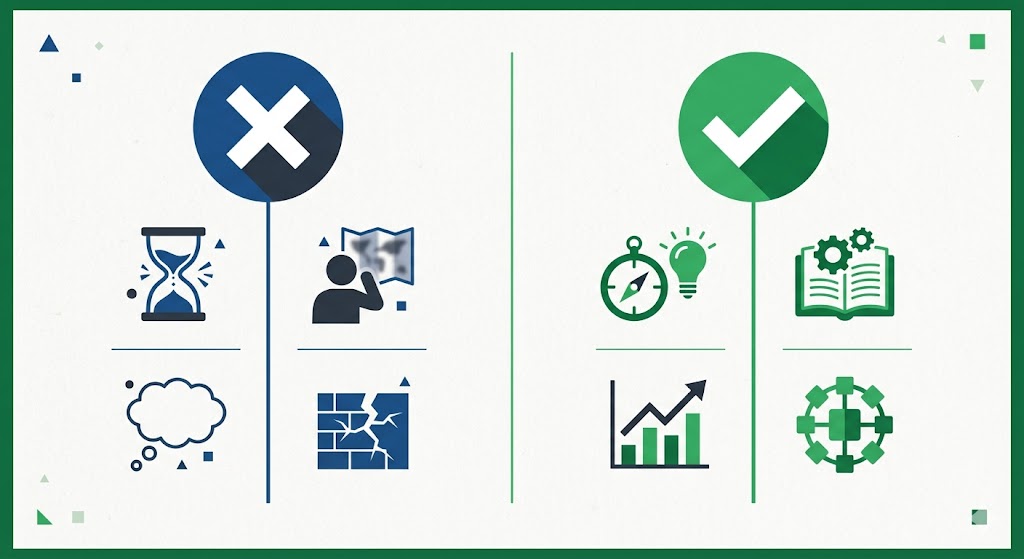
Property buyers across Dubai, Abu Dhabi, and Sharjah make the same mistakes. Here are the five most expensive ones:
Myth 1: Non-residents can’t get a UAE mortgage False. Non-residents can finance UAE property. The terms are stricter — 65% max LTV, 35% deposit — but lenders do serve overseas buyers regularly.
Myth 2: EIBOR is fixed False. EIBOR is a floating benchmark that updates continuously. If you take a variable-rate mortgage, your monthly payment can and does change as EIBOR moves. Always model a 1–2% rate increase scenario before committing.
Myth 3: DLD fees are negotiable or can be financed False. The 4% DLD transfer fee is a government charge. It is non-negotiable and must be paid in cash at transfer. It cannot be rolled into your mortgage.
Myth 4: Islamic mortgages always cost more than conventional Not necessarily. The total cost of finance depends on the bank’s margin, the term, and the structure chosen. Murabaha and Ijara products from lenders like DIB, ADIB, and Emirates Islamic are frequently competitive with conventional fixed-rate products. Compare the total repayment amount, not just the headline rate.
Myth 5: Pre-approval means the mortgage is secured Pre-approval confirms what you can borrow in principle. Final approval is conditional on the specific property passing the bank’s valuation, all documents being verified, and no material change to your financial position before closing.
Frequently Asked Questions
What is the DBR limit for UAE mortgage borrowers?
The CBUAE caps total monthly debt repayments at 50% of gross monthly income for expatriates and 60% for UAE nationals, per the Central Bank’s lending standards.
This applies to all debt: mortgage, car loan, personal loan, and credit card minimums combined. If your total existing debt already consumes 30% of your income, your mortgage eligibility shrinks accordingly.
How long does UAE mortgage approval take?
Pre-approval typically takes 3–7 business days once all documents are submitted. Final approval, following property valuation and final underwriting, adds another 5–10 business days. DLD mortgage registration takes 6 business days.
From document submission to keys, budget 4–8 weeks for a ready property, and discuss timelines with your seller before signing an SPA.
Can I get a mortgage on an off-plan property in Dubai?
Yes, but the rules are different. Most banks cap off-plan LTV at 50%, and some lenders decline off-plan financing entirely, preferring to lend once the property is ready for handover.
Buyers typically pay construction-phase instalments directly to the developer, then arrange a mortgage at completion. Confirm your bank’s off-plan policy and the developer’s payment plan before signing any SPA.
What is EIBOR and how does it affect my UAE mortgage rate?
EIBOR — the Emirates Interbank Offered Rate — is the benchmark interest rate used by UAE banks. Variable-rate mortgages are priced as EIBOR plus a bank margin. When EIBOR rises, your monthly repayment rises.
The current 3-month EIBOR sits at approximately 3.69–3.71%. Fixed-rate periods protect you from EIBOR movement, but only for the fixed term. After the fixed period ends, your rate reverts to a variable EIBOR-linked product.
Is it better to go directly to a bank or use a mortgage broker in the UAE?
A mortgage broker compares multiple lenders simultaneously, negotiates terms you may not access directly, and guides you through document preparation and DLD registration.
Going directly to one bank means you see one product at one rate. As an independent broker, City Mortgage compares 25+ UAE lenders with no affiliation to any single bank — meaning the advice you receive is based entirely on your profile, not on which bank has the best commission that month.
Ready to Get Your Free UAE Mortgage Assessment?
You now have the full picture: LTV limits by buyer type, the real cash needed at closing, how rates and structures differ, and exactly how the process works from pre-approval to transfer.
The next step is finding out exactly what you qualify for — against real products, from real lenders, based on your actual income and profile.
WhatsApp CityMortgage now at +971 50 925 50 50 for a free, same-day eligibility assessment. We compare 25+ UAE lenders and find the right mortgage for your profile, with full transparency and zero obligation.